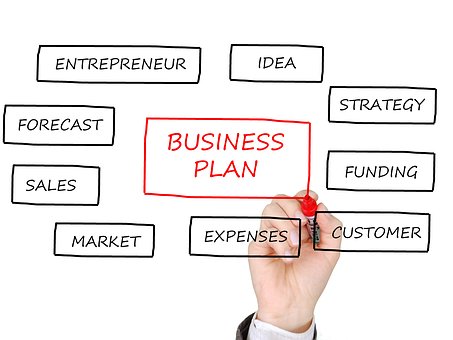
Starting a business in Ghana requires a structured plan that can attract investors, guide your operations, and ensure sustainable growth. Therefore, understanding the core components of a business plan can mean the difference between success and failure. Whether you want to start a farm or clothing line, these seven components are what your business plan need.
-
Executive summary needs
Your executive summary is the first and most crucial section of your business plan, as it gives a snapshot of your business idea, goals, mission, and vision. Most investors and financial institutions can decide whether to help you financially after reading this section. For example, if you’re pitching a coconut oil export business, your executive summary should highlight your market opportunity in local and international trade, your production capacity, and your revenue forecast. Think of this section as your business’s elevator pitch – make it short but compelling.
-
Business description
In this section, you’ll explain what your business does, the market needs you’re addressing, and your long-term goals. As a tip, highlight your unique value proposition and competitive edge. For instance, Ghana’s growing food processing industry offers vast opportunities. If you’re starting a potato chips manufacturing company, describe how your product is different – maybe you don’t use preservatives, or you source ingredients directly from local farmers.
-
Market analysis
A solid market analysis shows that you know your target customers, competitors, and industry trends. Taking your time to compile this section will boost your chances of winning over investors and financial institutions. You’ll find it helpful to use data from credible local sources like the Ghana Statistical Service, Ghana Export Promotion Authority (GEPA), or Chamber of Commerce reports.
For instance, if you’re opening a mobile money agency in a rural area, your market analysis should include the population size, mobile phone penetration, and gaps in financial services. Understanding these details helps you tailor your goods and services, as well as your marketing strategy.
-
Business organisation and management
When drafting your business organisation and management, clarify whether your business is a sole proprietorship, partnership, or a registered limited liability company under the Registrar General’s Department. While at it, introduce your team – talk about the founders, their qualifications, and relevant experience. Investors want to see that your team can deliver results, so keep this in mind. Don’t forget to show how you’re meeting Ghana’s legal requirements, such as SSNIT registration and GRA tax obligations.
-
Products and services
Investors are particular about your offerings, so give a detailed explanation in this section. As a tip, talk about how it solves a specific problem and why people will buy it. You’ll also find it helpful to tailor your solution to local needs. For instance, if you’re selling eco-friendly packaging, emphasise how it supports national environmental efforts and offers a cheaper alternative to imports. Additionally, use this section to describe the development stage of your product or service, pricing strategy, and your plan for innovation or expansion.
-
Marketing and sales strategy
In Ghana today, marketing isn’t limited to posters and radio jingles. You can also leverage social media platforms like Instagram, TikTok, and WhatsApp to reach thousands of potential customers across the country. These channels are especially beneficial for startups and small business owners, as they are less expensive.
Additionally, ensure that you state how you’ll leverage influencers, digital ads, and product sampling to boost brand awareness. Don’t forget to detail your sales process—from lead generation to conversion. Joining local trade shows and community events can also boost direct sales and build trust among Ghanaian buyers, so keep this in mind.
-
Financial projections
Lastly, you’ll want to include your financial projections in your business plan. This means outlining your expected income, expenses, and profits. As a tip, add basic financial statements such as a projected income statement, cash flow statement, and break-even analysis.
Conclusion
Creating a business plan may seem daunting, but it’s a necessary step toward building a sustainable and profitable business in Ghana. When done right, these components of a business plan act as your roadmap to growth, funding, and long-term success. Whether you’re a fish farmer in Cape Coast or an app developer in Takoradi, writing a detailed business plan will set you apart in today’s competitive market.